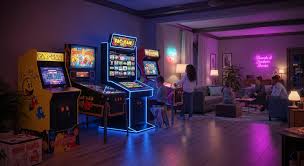

Bringing a neglected arcade cabinet back to life is one of the most rewarding projects a collector can take on, but it is also one of the most intimidating for newcomers. Between electrical systems, delicate artwork, and mechanical components that may have sat unused for decades, a first restoration project can feel overwhelming. The good news is that with patience, a methodical approach, and a willingness to learn from the wider collector community, almost any surviving cabinet can be brought back to a playable, presentable state.
Start With a Thorough Assessment
Before touching a single tool, spend real time simply examining the cabinet as it is. Note the condition of the artwork, whether original or reproduction, the state of the control panel, whether the monitor powers on at all, and whether the cabinet retains its original circuit board or has been modified over the years. Photograph everything from multiple angles before you begin. This documentation becomes invaluable later, both for tracking your own progress and for consulting with other collectors who may recognize specific parts or wiring configurations from photographs alone.
It is also worth researching the specific model before diving in. Many popular cabinets have dedicated restoration guides, forum threads, and parts sourcing communities built up over years of collective effort. Searching for your specific cabinet model within community spaces like CGCC.ca’s Coin-Op Corner can save enormous amounts of time compared to troubleshooting entirely from scratch.
Electrical Safety First
Arcade cabinets run on standard household voltage and contain capacitors capable of holding a dangerous charge even after being unplugged. Before attempting any internal work, especially anything involving the monitor chassis, take the time to properly discharge capacitors and understand basic electrical safety practices. This is not an area where shortcuts are worth the risk. If you are not confident working with the internal electronics yourself, many community members are willing to offer remote guidance or, in some cases, hands on help for local collectors.
Cleaning Before Repair
A surprising number of cabinets that appear non functional are simply suffering from decades of accumulated dust, grime, and corrosion on connectors rather than genuine component failure. A careful cleaning pass, focused on connectors, switches, and circuit board contacts, often resolves issues that might otherwise have been mistaken for a failed part. Use appropriate contact cleaners rather than household cleaning products, and always work on a cabinet that has been unplugged and, where relevant, had its capacitors safely discharged.
Cabinet exteriors benefit from gentle cleaning as well, though care should be taken around original artwork, which can be fragile and easily damaged by aggressive scrubbing or harsh chemicals. When in doubt, test any cleaning approach on a small, inconspicuous area first.
Sourcing Parts
Original replacement parts for decades old cabinets can be genuinely difficult to find, and this is where the collector community becomes especially valuable. Swap Shop style forums, dedicated parts resellers, and even other collectors parting out non salvageable cabinets are all common sources for everything from replacement joysticks and buttons to harder to find items like specific monitor chassis components or control panel overlays. Reproduction parts, while not original, are widely accepted within the hobby as a practical solution when authentic parts simply cannot be sourced.
Patience Over Perfection
Perhaps the most important piece of advice for any first time restorer is to resist the urge to rush. A cabinet that has survived decades deserves a careful, unhurried approach. Working through one system at a time, testing thoroughly before moving to the next stage, and documenting your progress along the way will produce far better results than attempting to tackle everything simultaneously. Many experienced restorers describe their first cabinet project as a genuine education, one that pays off enormously on every subsequent project they take on.