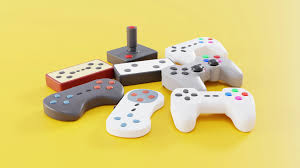
Few components see more physical stress during a gaming session than the controller in your hands or the joystick mounted on an arcade cabinet’s control panel. Decades of use, combined with aging plastics, worn contacts, and degraded internal components, mean that controller repair is one of the most commonly needed skills within the retro collecting hobby. Fortunately, most common controller issues are well understood and, with the right approach, entirely fixable at home.
Common Failure Points
Analog stick drift, unresponsive buttons, sticky directional pads, and broken shells top the list of issues collectors regularly encounter. Analog drift, where a control stick registers movement even when untouched, is typically caused by worn internal potentiometers or accumulated dust and debris interfering with the stick’s resting position sensor. Unresponsive buttons often stem from oxidized contacts or degraded conductive rubber membranes beneath the button itself, both of which tend to worsen naturally over years of storage even without active use.
Console specific controllers, like the notoriously fragile Atari 5200 joystick mentioned in several CGCC.ca articles, present their own well documented failure patterns, often centered around specific internal components known to wear out predictably after enough use. Learning these model specific patterns ahead of time makes diagnosis considerably faster and more accurate.
Cleaning as the First Line of Defense
Before assuming a component needs full replacement, a thorough cleaning often resolves a surprising percentage of controller issues. Disassembling the controller, carefully cleaning contact points with an appropriate electronics safe cleaner, and reassembling can restore responsiveness that seemed permanently lost. This should always be the first step attempted before moving on to more invasive repairs, both because it is less risky and because it is often genuinely sufficient on its own.
Replacement Parts and Modern Solutions
When cleaning alone does not resolve the issue, replacement parts become necessary. For popular, widely collected controllers, a healthy aftermarket exists offering replacement potentiometers, conductive rubber pads, buttons, and even full shell replacements. For rarer or more obscure controllers, parts may need to be sourced from donor units, salvaged from non functional controllers being parted out specifically for this purpose.
Some collectors within the community have also experimented with modern replacement solutions, such as swapping legacy potentiometers for more durable modern equivalents, though purists sometimes prefer to preserve original internal components wherever feasible, even at the cost of a shorter functional lifespan going forward.
Preventive Care for Long Term Preservation
Beyond active repair, proper storage and handling significantly extend a controller’s functional lifespan. Storing controllers away from direct sunlight, extreme temperature fluctuations, and high humidity helps prevent both plastic degradation and internal corrosion. Periodic use, rather than years of complete storage without any activity, can also help keep internal components from seizing or degrading in ways that sudden reactivation sometimes reveals all at once.
Building the Skill Over Time
Like most restoration skills within the retro collecting hobby, controller repair improves significantly with hands on practice. Starting with less valuable or more easily replaceable controllers before moving on to rarer pieces allows newer collectors to build confidence and troubleshooting instincts without significant financial risk. Over time, many CGCC.ca members find that controller repair becomes one of the most approachable and genuinely satisfying skills within the broader restoration hobby, offering quick, tangible results compared to some of the more involved cabinet or console level repairs.